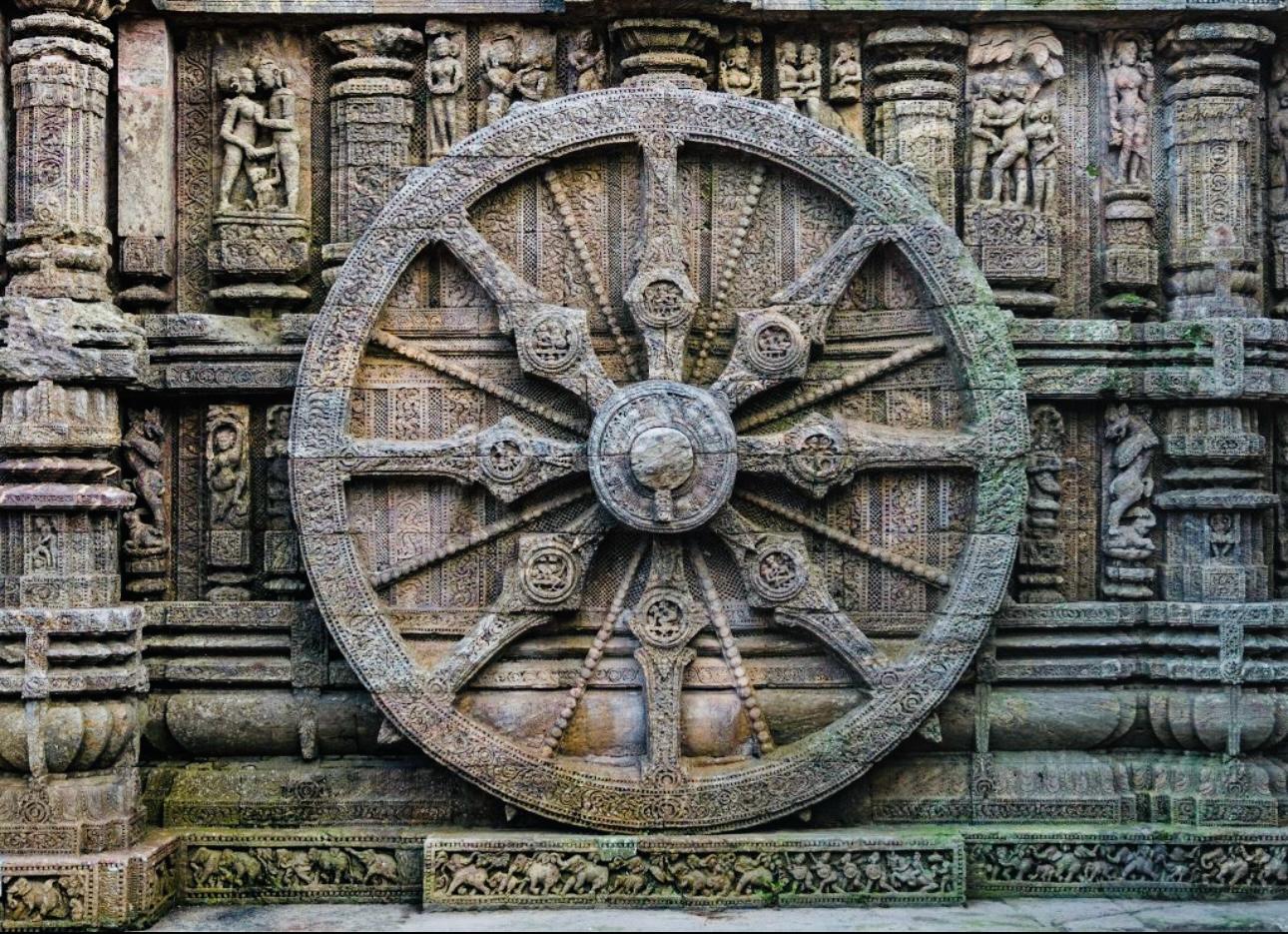
Where Are We on the Wheel of History?
A note to young leaders.
On the cycle of hard work, success, affluence and complacency.
What’s true of inter-generational family wealth, also applies to societies as a whole.
Political movements, much like physical motion, are subject to the laws of momentum and inertia, and thus follow a predictable path – save where there is an external force.
The 18th-century Scottish judge and historian, Alexander Tytler, is often credited with postulating this cyclical fate for civilisations:
“A democracy cannot exist as a permanent form of government. It can only exist until the voters discover that they can vote themselves largesse from the public treasury. From that moment on, the majority always votes for the candidates promising the most benefits from the public treasury with the result that a democracy always collapses over loose fiscal policy, always followed by a dictatorship. The average age of the world’s greatest civilisations has been 200 years. These nations have progressed through this sequence: From hardship to spiritual faith; From spiritual faith to great courage; From courage to liberty; From liberty to abundance; From abundance to selfishness; From selfishness to apathy; From apathy to dependence; From dependence back into hardship.”
Where, I wonder, does western civilisation find itself today on this great wheel of history?
And what will it take to turn the wheel backwards?