Sometimes the Smartest Move Is a Second Look
A note to young leaders.
Innovation need not always be new. Very often it’s the old, reborn.
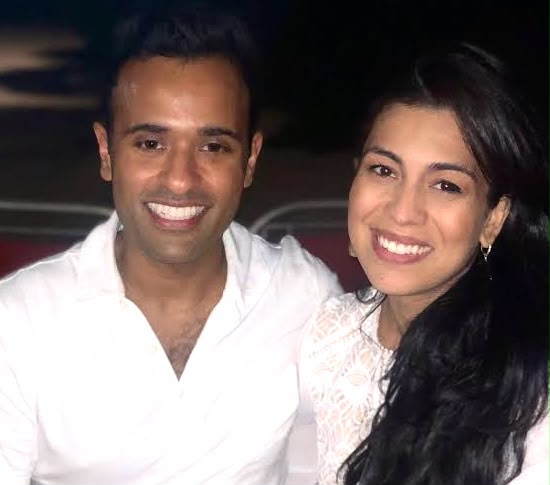
Consider Vivek Ramaswamy – the former Republican presidential candidate now running to become Ohio’s next governor.
In 2007, aged 22 and analysing biotech at a hedge fund, he noticed something strange: pharmaceutical giants routinely abandoned workable drugs, not because the science had failed, but because of budget cuts and corporate politics. Billions of dollars of research sat gathering dust on corporate shelves.
At 28, he founded Roivant Sciences with nearly USD 100 million in backing – led by his then-employer QVT, which decided it would rather fund him than lose him.
His aim was to build the Berkshire Hathaway of drug development. The model was audacious: buy castoff drugs for a fraction of what had been spent inventing them, then spin each one out into its own single-drug subsidiary (a “Vant”), with dedicated leadership and a ruthless focus on return on investment (“Roi”).
Capital soon followed. Roivant’s first subsidiary, Axovant, staged the biggest biotech IPO of 2015. Then, on his 32nd birthday in August 2017, SoftBank led a USD 1.1 billion investment – the largest private placement in healthcare history.
The model’s vindication came in 2023. Telavant, built around a bowel-disease antibody acquired from Pfizer for USD 45 million, was sold to Roche less than a year later for USD 7.1 billion.
Roivant’s great innovation was not invention. It’s success was built entirely on a second look.
Innovation is expensive. Before you spend a fortune in the lab, check the bin.