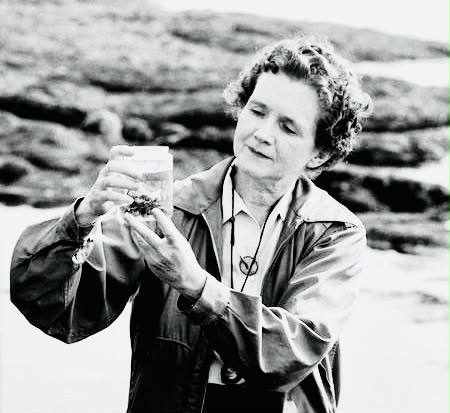
Rachel Carson and the Spring Without Birds
A note to young leaders.
Rachel Carson’s 1962 book, Silent Spring, is the most impactful environmental book ever written. It’s not even close.
Carson’s target was DDT, then hailed as the “miracle pesticide” – two words that should never have been introduced to each other and which, once married, produced exactly the sort of offspring you would expect.
She didn’t start her book with chemistry but with imagery – she asked her readers to imagine a world without birds:
“Over increasingly large areas of the United States, spring now comes unheralded by the return of birds, and the early mornings are strangely silent where once they were filled with the beauty of bird song.”
The genius of DDT as an assassin – and the reason it nearly got away with it – is that it never killed anything in plain sight. Sprayed on crops, it worked its way up the food chain one rung at a time, thinning bird eggshells until they gave way beneath the nesting mother.
Industry reached straight for the apocalypse: follow Miss Carson, they warned, and “the insects, and the diseases, and the vermin would once again inherit the Earth.”
In June 1963 – less than a year after publication – and now dying of cancer, Carson testified before a Senate Subcommittee. The Chair greeted her by echoing Lincoln’s legendary welcome to Harriet Beecher Stowe: “So, you are the lady who started all this.”
She was.
One woman stood firm against vested interests, ridicule and her own mortality – and won the hearts and minds of a nation.
In that order. If you want to change the world, you must win the heart first. The mind will come along in its own time – as it always does – all the while congratulating itself on having led the way.
Tell them first why it matters – ask them to imagine a spring without birds.