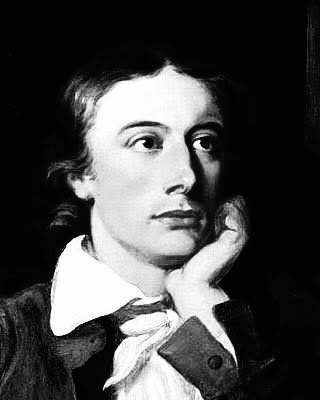
John Keats and the Courage to Dare Greatly
A note to young leaders.
When a young leader with a great work ethic says these three things, watch out – an electrical storm is on its way:
- “I think I shall be counted among the greats after my death.”
- “I’ve never been afraid of failure.”
- “I am ambitious of doing the world some good.”
The three belong together and in that order. The first gives you the courage to dare. The second, the courage to dare greatly. The third, a reason worth daring for.
Enter: John Keats.
To say that John Keats was a great poet is a bit like saying Mozart had a decent ear for a tune. In my view, he’s the only English-speaking poet capable of rivalling Shakespeare – had tuberculosis not snatched him away before his pen had gleaned his teeming brain.
Keats died at the tender age of 25 – but not before producing some of the finest poems ever written in the English language, including “Ode to a Nightingale”, “Ode on a Grecian Urn”, and the sonnet “Bright Star”.
Keats asked that his gravestone carry no name at all, just one sentence: “Here lies one whose name was writ in water.” Two centuries later, the water has evaporated, but the name remains.
The lesson isn’t that life is short. Life is short whether you live to 25 or 105.
The lesson is to dare greatly at a young age. Never tell yourself that you are “too young”. Talent doesn’t need long once it catches fire.