Sing Your Song Regardless of Who Is Listening
A note to young leaders.
Be careful when meeting your heroes.
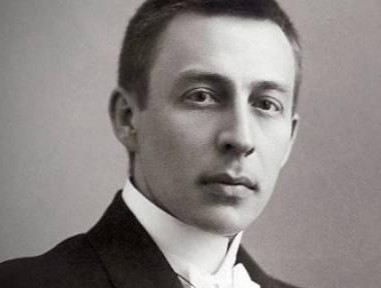
When the prodigy composer, Sergei Rachmaninoff, met his hero, Leo Tolstoy – the author of War And Peace – Rachmaninoff was nervous: “What would the great man think of my music?”
He was still recovering from the disastrous premiere of his First Symphony (1897), which had sent him into three years of depression and creative paralysis.
Rachmaninoff, then 26, performed some of his compositions for Tolstoy, including his yet unfinished Second Piano Concerto.
Tolstoy listened politely, unmoved, and then remarked: “Tell me, why do you write such music? Is there not enough suffering in life already?”
Rachmaninoff tried to explain that beauty could redeem suffering, that music expressed what words could not. Tolstoy responded: “Perhaps. But Beethoven already said everything necessary. Don’t you think one Beethoven is sufficient?”
Rachmaninoff was deeply wounded: “The great Tolstoy finds my music worthless. Perhaps he is right.”
Two years later, the Second Piano Concerto premiered to universal public acclaim and is regarded today as one of the greatest piano concertos ever written.
There are three lessons here:
- A hero, up close, is just a person. And a person, up close, is always complicated.
- Greatness in one area doesn’t mean greatness in all areas. Tolstoy was a literary genius but an appalling music critic.
- Don’t outsource your self-worth to anyone other than to someone who loves you and whose values you admire.
And as for the urge to sing your song – sing it.