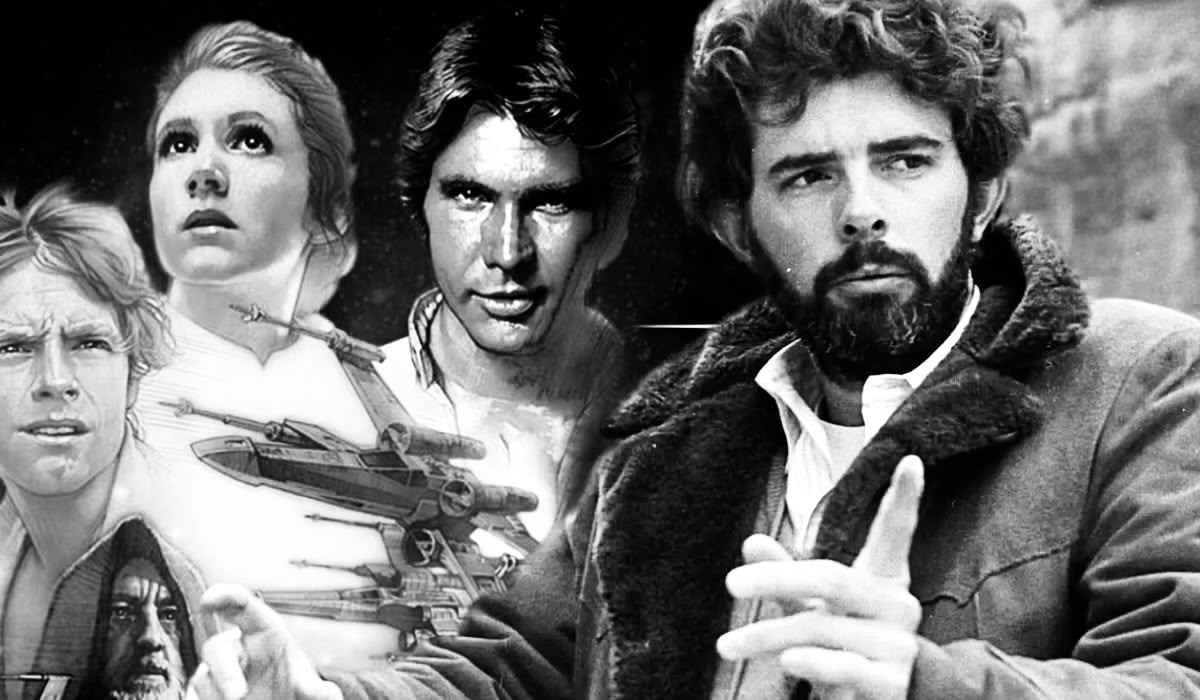
Star Wars: How George Lucas Out-Negotiated Hollywood
A note to young leaders.
A magician doesn’t make the coin disappear. He persuades you to watch the other hand. George Lucas did something similar to Hollywood – a town not otherwise famous for taking its eyes off the coin.
In 1973, Lucas had leverage. American Graffiti had cost under a million dollars and grossed more than $100 million. His agent was euphoric – he reckoned Lucas could raise his fee for the next picture to $500,000, perhaps a million.
Lucas stuck with the $150,000 he had already agreed to for writing and directing Star Wars. He focused instead on the clauses at the bottom of the draft term sheet, the ones that Fox had square-bracketed on the grounds that they were of marginal value: sequel and merchandising rights.
The studio valued sequel rights at roughly zero because it did not believe there would be any sequels. Lucas valued them very highly, because in his imagination Star Wars was already far larger than any single film could contain.
As for merchandising, the studio had burnt its fingers on Doctor Dolittle in 1967, ending up with warehouses of unloved plastic – and promptly converted an expensive disappointment into a general principle. Lucas took the merchandising rights off their hands the way you might relieve a man of his umbrella on a cloudless day.
Fox thought it was surrendering trinkets. It was surrendering an empire. Fast forward to 2012. Lucas sells Lucasfilm to Disney for $4.05 billion.
The best deals are pure arbitrage.
We tend to fight hardest over the numbers everyone can see: salary, price, equity, margin. This is usually where the other side is best prepared to fight back.
Work out instead which terms are live in the other party’s mind and which are dead, because the dead ones are yours almost for free.
And be prepared to concede on the hand everyone is watching. The whole trick lies in knowing what to do with the other one.