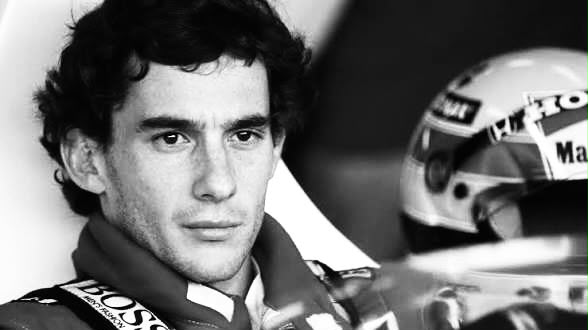
The Ayrton Senna Lesson Every Leader Should Know
A note to young leaders.
Monaco, 1988.
Saturday, qualifying round. Ayrton Senna is already on pole. His McLaren is the fastest car in the field, and his teammate Alain Prost the only plausible rival.
Lap after lap, Senna keeps pushing until he is 1.427 seconds quicker than Prost in identical machinery – a margin so absurd that it belongs less to the annals of motor sport than to classical mythology.
Senna described the lap as an out-of-body experience. He spoke of leaving conscious thought behind, of the circuit becoming a tunnel, of entering “another dimension.”
We tend to envy people who talk like this. We might spare a thought for what tends to happen next.
Sunday was race day. By halfway, Senna was annihilating the field. He was almost 50 seconds ahead of Prost. McLaren radioed Senna to slow down. The race was his.
He kept pushing.
On lap 66, he crashed his car into the barrier at the tunnel entrance – managed to climb out unharmed, then walked to his apartment two blocks away and wasn’t seen again that day. Prost won.
The man who had touched transcendence on Saturday spent Sunday evening staring at a wall.
There’s a narcotic peculiar to high achievers. It’s captured in five words that have dismantled more careers and corporations than any recession: “I know what I’m doing.”
Senna had every reason to believe them on that Sunday in Monaco.
So did the captain of the Titanic.