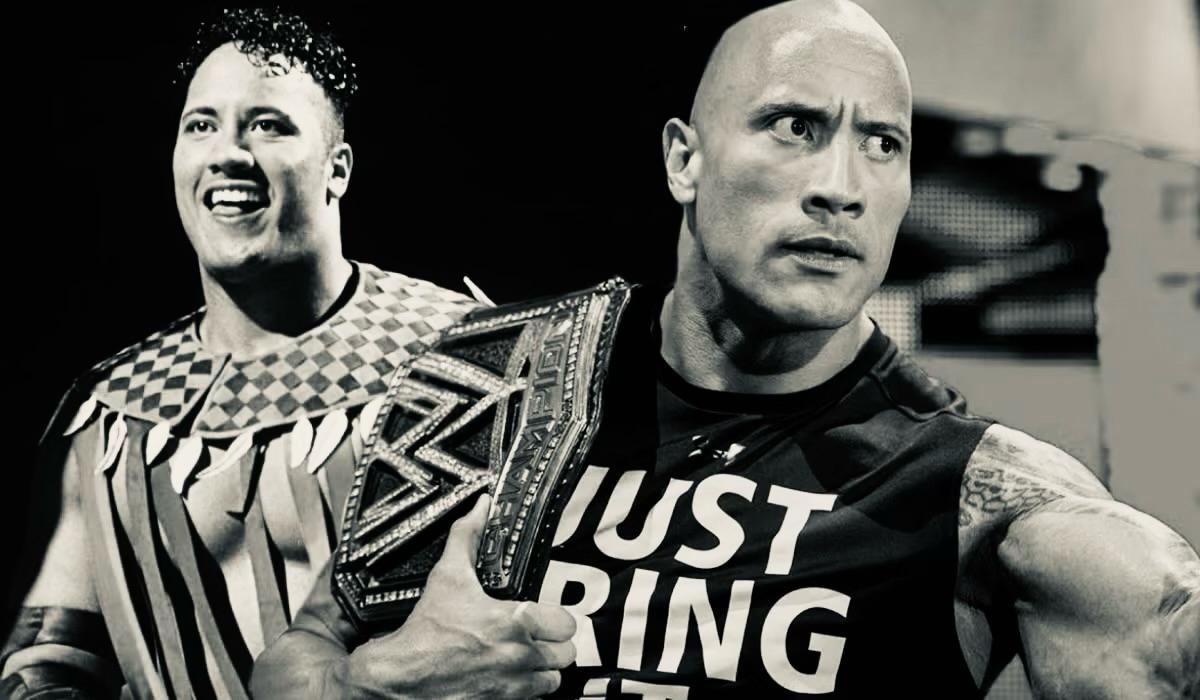
The Rock’s Rise Through Authenticity
A note to young leaders.
The most powerful thing you can be is yourself.
In 1996, a 24-year-old Dwayne Johnson – having just been dropped from his American football team -made his WWE debut.
He was introduced as “Rocky Maivia” – a “babyface,” which in pro wrestling lingo meant he had to play the good guy: clean-cut, polished, polite and permanently smiling.
But there was a problem. That wasn’t him.
“I was a trash-talking dude on the football field, but I was told when you go out there, you need to smile all the time. Even if you lose, you have to keep smiling.”
Within weeks, the signs went up: “Rocky sucks!” The WWE had given him the script, but the audience wasn’t buying the act.
A few months later – frustrated and floundering – he tore a tendon in his knee and disappeared from the spotlight. It’s uncanny how often that happens – an injury or hiatus when you’ve lost your way and need some space to rethink.
“I came to the realisation that it wasn’t me they didn’t like. It was that, I wasn’t being ME. I wasn’t being real, I wasn’t being authentic.”
So Johnson came back – not as Rocky Maivia, the smiling babyface – but as a villain, “The Rock” – loud, cocky, funny and charismatic. Himself, amplified. The world fell in love with him, and the rest is history.
Fans liked Johnson more when he stopped trying to be liked, and showed them instead that he liked himself.
And before you can like yourself – you first have to be yourself.