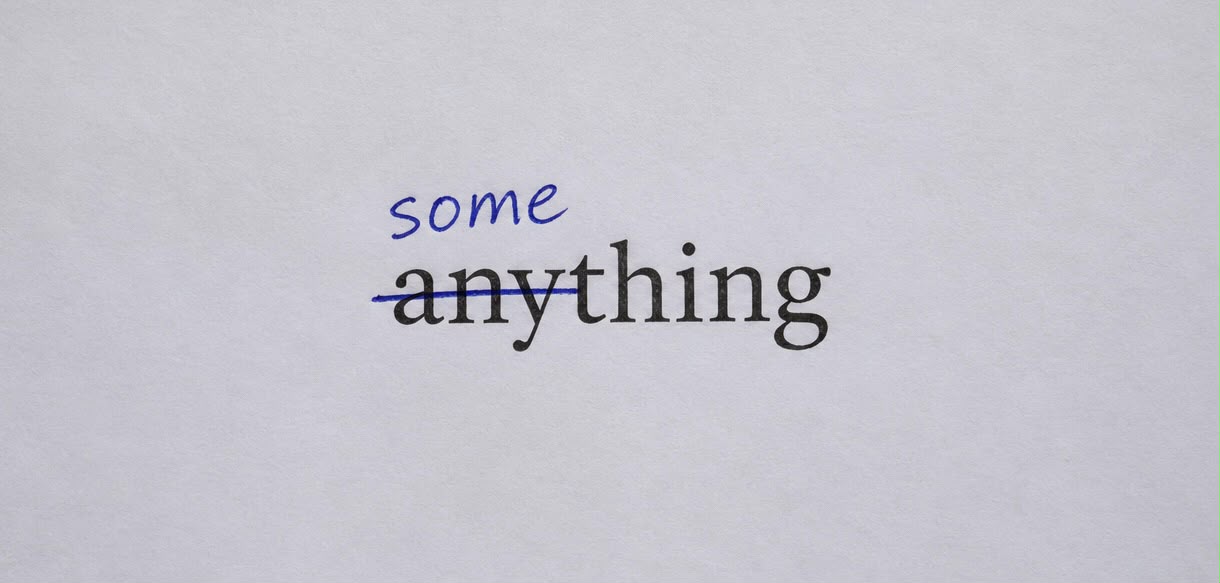
One Word Can Change How People Answer
A note to young leaders.
Leaders often complain that nobody tells them anything. Listen to their questions. They asked not to be told.
Which of these two questions is more likely to get an audience to share their thoughts?
- Does anyone have any questions?
- What questions do you have?
The first is a question in the way that a closed door is an entrance. Words like “anyone” and “any” subtly signal that “no” is the expected answer. The second, on the other hand, assumes that questions already exist and merely asks where they are. The person who has none now feels faintly under-dressed.
Even one syllable can have a dramatic effect.
In a 2007 study involving 20 American family doctors and 224 patients with acute conditions, physicians were assigned to one of two questions:
- Is there anything else you want to address today?
- Is there something else you want to address today?
About 53% answered affirmatively to the first question. About 90% did so to the second. A huge difference in the number of patients who share their other health concerns and those who take them home.
Now consider a project meeting. Which question is more likely to unearth a potential problem?
- So everything’s essentially on track, is it?
- Which part of the plan are you least confident about?
The first is not a question at all. To tell the truth, your colleague has to contradict you. The second takes it for granted that every plan has a weakest part. Nobody is confessing anything.
Of course, you must then welcome the answer. Ask for concerns and punish the first person who supplies one, and your next meeting will be wonderfully reassuring.
Reality, regrettably, is under no obligation to join in.