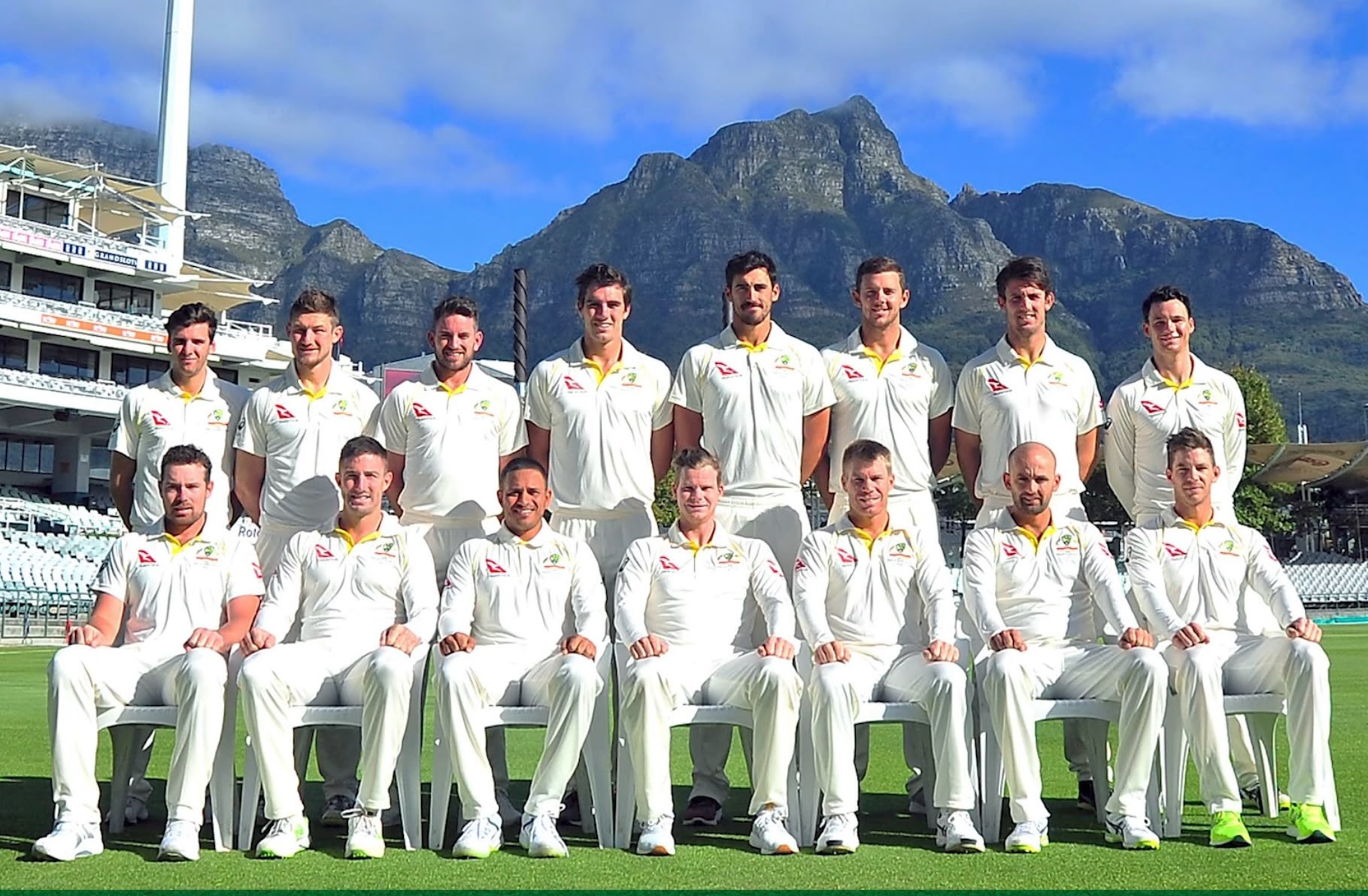
Sandpapergate: A Story of Blame and Courage
A note to young leaders.
The more I reflect on Sandpapergate, the more I rate Steve Smith and the less I rate Cricket Australia.
An odd conclusion given Smith tolerated cheating and Cricket Australia held him to account. But hear me out.
Did anyone other than the three punished players (plus Usman Khawaja) know about Australia’s plans to tamper with the ball?
I think they did. There have been too many pauses, evasions and lawyerly phrasings for me to believe otherwise.
In 2021, Bancroft was asked point blank whether the bowlers knew. After a long pause, he said he’d rather focus on his own accountability. He was asked again. This time he hesitated even longer, then mumbled: “Uh … yeah, look, I think, yeah, I think it’s pretty probably self-explanatory.”
Here was a man who had served his suspension and wanted, more than anything, to get back into the side. That he said even this much is telling.
Listen also to then head coach, Darren Lehmann: “I do not think everyone would have known. … How much did they know? Only they know individually.” These are the words of a man who would rather not know. Regardless, it sounds like more than three.
I don’t blame Lehmann or the other players. Who would want to name and implicate team mates in a scandal settled years ago?
I blame Cricket Australia (CA). In its haste to protect its brand, it heard only what it wanted to hear. And an organisation that is lax with the truth tends to make up for it with severity in the sentence. Consider the precedents:
- 1994: Mike Atherton, dirt in his pocket: £2,000 fine. Kept the captaincy.
- 2010: Shahid Afridi, biting the seam: two-match ban.
- 2013: Faf du Plessis, trouser zip: fined half his match fee.
- 2016: Du Plessis again, mint-flavoured saliva: fined his match fee. Kept the captaincy.
In 2018, Smith and Warner received twelve-month bans, Bancroft nine. Smith faced a two-year leadership ban; Warner for life.
What CA should have done is interview every team member to establish who knew what, and when. If the knowledge was as widespread as I suspect, the principal offenders might have received three-match suspensions, with the remainder receiving fines.
Instead, CA delivered the worst of both worlds: a punishment severe enough to ruin reputations and an investigation narrow enough to exonerate the complicit.
One more detail from Khawaja’s account is noteworthy. In the aftermath of the scandal, he suggested to Smith that the whole team go public and take collective responsibility. To his credit, Smith refused. As captain, he felt the brunt of the punishment was his to carry.
That may seem like a contradiction. I argue CA should have shared the blame, yet I admire Smith for refusing to. But it isn’t. These are two different obligations. An institution’s job is to find the truth and apportion blame fairly. A leader’s job is to carry more than their fair share.
CA shirked its duty in Cape Town. Smith, in the worst week of his career, honoured his.